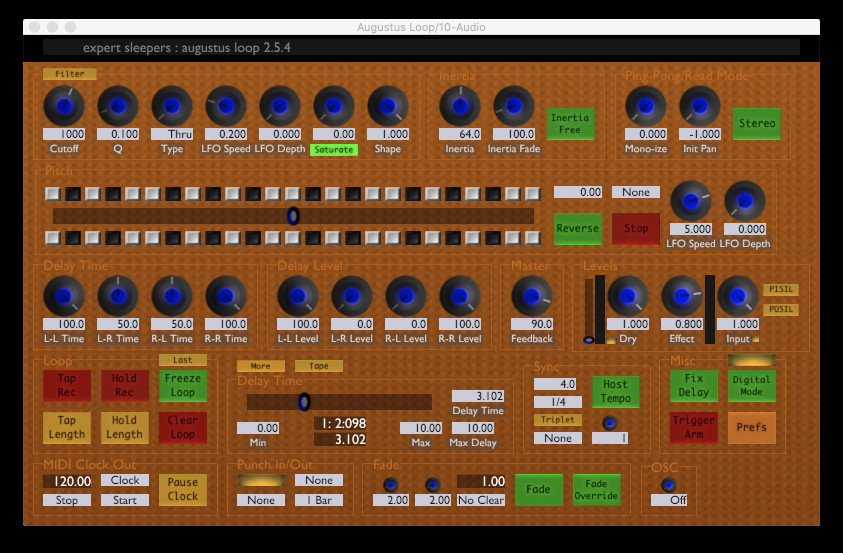
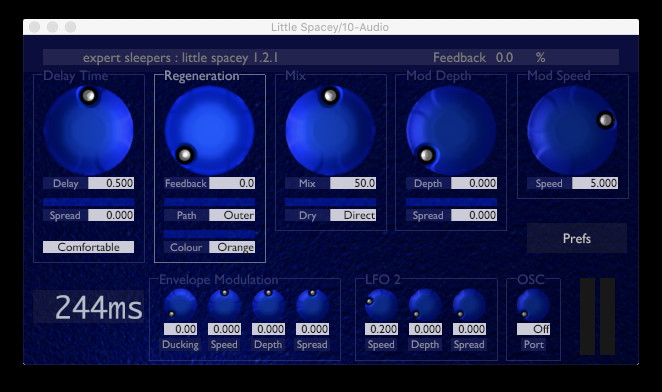
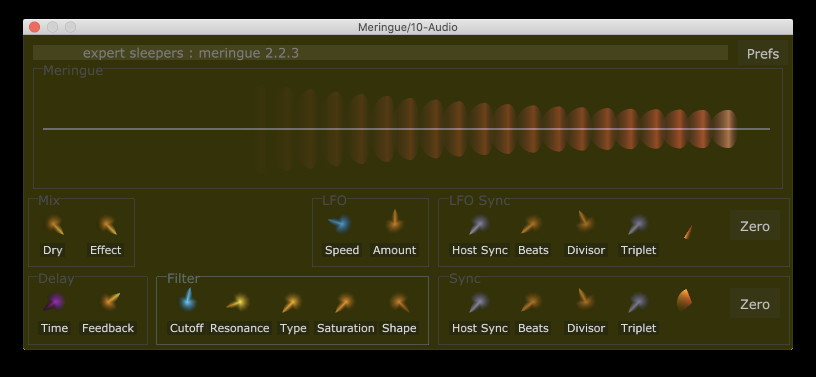
Max/MSP externals now available
Download now from the downloads page.
Silent Way now available as Windows AAX
Download now from the downloads page.
XFadeLooperCM feature in Computer Music
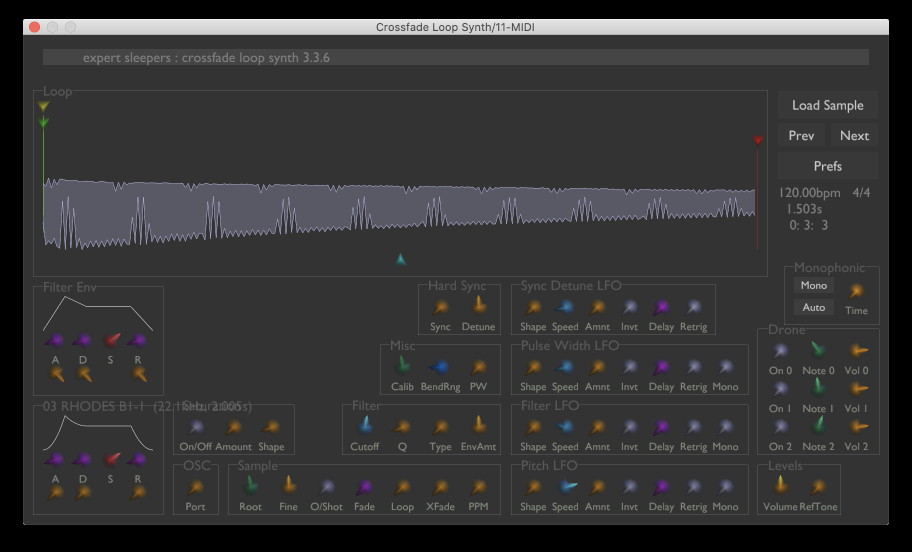
The feature also includes a (heavily edited!) interview with your truly. For the record, here’s the full text that I submitted:
- what inspired Crossfade Loop Synth?
Back in 2002, I was transitioning my mostly hardware studio setup to a more software-based one (something I've since mostly reversed - but that's another story). Time-stretching & granular resynthesis was all the rage at the time - things the new-fangled software instruments could do which traditional hardware generally couldn't. As a result, finding a sampler instrument that actually did work like an old hardware unit seemed surprisingly hard.
At the same time, Apple had not long released Mac OS X, and with it Project Builder (which later became Xcode). Previously, software development on Macs involved buying a development environment; now it was available for free. So there was no longer a reason not to dabble.
So, to satisfy my own musical needs, and enabled by the new software ecosystem of OS X, I decided to have a crack at writing a plug-in.
The result, Crossfade Loop Synth 0.1b, was released in December 2002.
- what challenges were involved in its creation?
Despite being a reasonably experienced developer at the time, I'd never before worked on a Mac, so that was all new. Also, for reasons that aren't completely clear in retrospect, I decided to do it as an Audio Unit (buying the whole Apple shebang hook line & sinker, I guess), and the AU SDK was very immature at the time. Fortunately some AU pioneers had put their work up online so I was able to learn from example.
Crossfade Loop Synth v2 (2004) was the second (I think?) plug-in of mine to use my new graphical UI framework, originally created for my additive synthesis instrument Minky Starshine. There was still lots of learning going on at that time.
Crossfade Loop Synth v3 (2007) was the real challenge. Applying analogue VCO concepts like pulse width modulation and hard sync to sampled material was great fun, if your idea of fun involves lots of hard work and head-scratching. And the effect version - being able to record into the sample buffer while playing notes (at any speed, in either/both directions) - was the real head-f***.
- what do you think of other software samplers?
The only one I've ever used much is VSamp (http://www.vsamp.com). That's what I use if I want a traditional multi-sample of something vaguely realistic - it comes with a nice free library of orchestral staples. I mean, it's a tiny tiny thing compared to modern multi-GB romplers, but it works well for what I do. Otherwise, I just use Crossfade Loop Synth. Or a Live drum rack I guess would be the only other time I use a sample instrument.
It strikes me that there's very little emphasis on actual sampling in modern instruments. Just on playing samples back.
- do you have a favourite hardware sampler?
Roland S-330. A fantastic bit of kit - I used one for years back in the 90s. Its 'alternating' loop mode was the inspiration for the feature of the same name in Crossfade Loop Synth v2, and really the reason I wanted to create a sampler instrument in the first place. I used that all the time. It really was a unique thing at the time - a 1U rack box but you could plug in a mouse and a monitor, and see your stuff up on a screen. No editing through a tiny LCD window on the box itself. Really revolutionary.
- do you have any tips for readers using the instrument?
Buy the full version! :)
Do try the 'alternating' loop mode, especially on pads.
If you have a volume dip at the loop point, try the different Crossfade Types (Equal Gain/Equal Power).
Go nuts with Hard Sync.
Overall - the sample is just fodder for the instrument to create sound from. Don't just play it back, pure and simple. See what else you can make with it!
Silent Way v2.2.0 released
• Added Silent Way Logic Project.
• Added controls for Interface Categories.
• Silent Way Step LFO can now be reset and/or triggered by MIDI notes and/or incoming CVs.
• Added ‘Gate Length’ control to Silent Way Step LFO.
• Added ‘Random’ feature to Silent Way Step LFO.
• Silent Way CV To MIDI, VST version, can now output MIDI direct to the host.
• Silent Way CV To MIDI can now output MIDI directly to Silent Way Learner.
• Silent Way Learner now supports MIDI polyphonic pressure messages.
• Added ‘SMUX Proof’ mode for Silent Way ESX-4CV Combiner.
• Fixed Silent Way Learner, VST and AU versions, to correctly output silence.
Download now from the downloads page.
Silent Way Step LFO new features in v2.2.0 on Vimeo.
Ping Pong Delay v2.0.9 released
You won’t have seen Ping Pong Delay mentioned here for some time. It’s a free (as in beer) delay plug-in.
Silent Way v2 reviewed in Future Music
If you're looking to control CV-equipped analogue hardware from the comfort of your DAW, we can't recommend it highly enough.
ES-7 CV To MIDI demo
New modules - ES-6 & ES-7
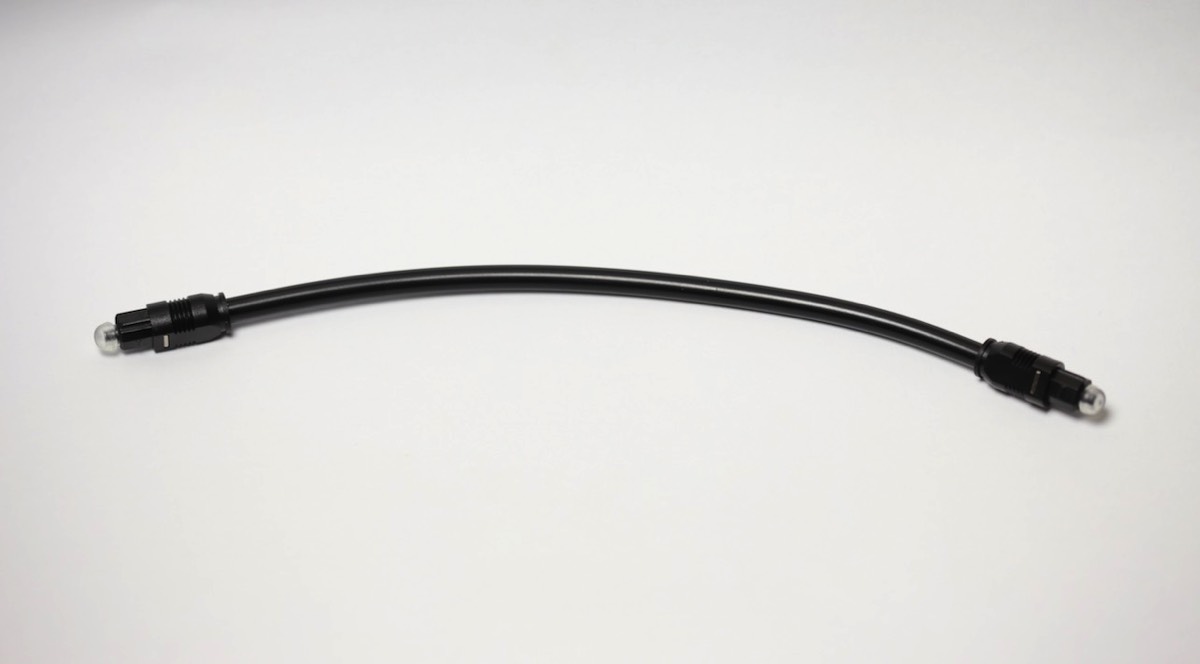
The ES-6 is the counterpart to the ES-3 Lightpipe/CV Interface, offering up to 8 channels of CV input with output via an optical lightpipe connection.
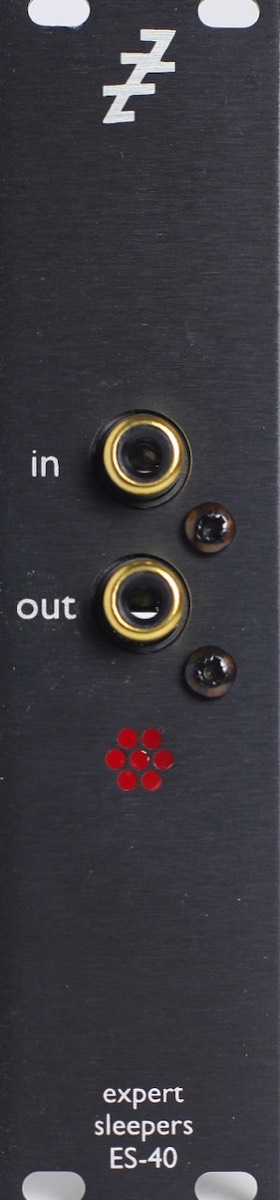
The ES-7 provides two channels of DC-coupled CV input to a connected ES-4 or ES-6 module.
Both are available now.
Silent Way v2.1.0 released
* Added a new plug-in: Silent Way Function. SW Function applies simple mathematical operations to incoming CVs. It is intended to be particularly useful in conjunction with the forthcoming ES-6 and ES-7 modules.
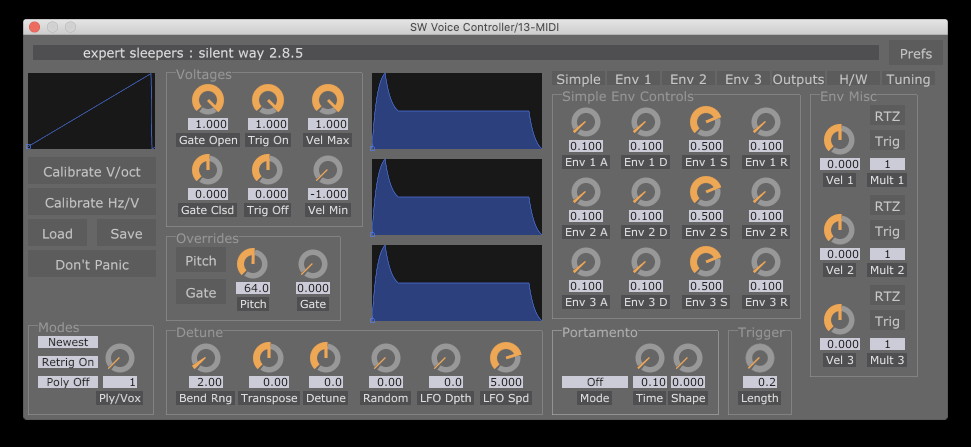
* Added "Calibrated" mode to Silent Way Follower, allowing it to use calibration profiles generated in SW Voice Controller, for accurate pitch tracking from incoming audio to your analogue VCOs.
* Added "Transport2" sync mode to Silent Way LFO. Like the existing Transport mode, but stops when the host transport stops.
* Added a “Transfer” button to Silent Way Soundplane and Silent Way Follower, allowing one click transfer of a calibration from Voice Controller to another plug-in that uses is, without having to save the calibration to disk and load it back in.
* Added support for the Expert Sleepers ES-5 module to Silent Way Sync.
* Added sustain pedal support to Silent Way Voice Controller.
* Fixed a bug that would cause Silent Way Follower to lock up the host application.
Download now from the downloads page.
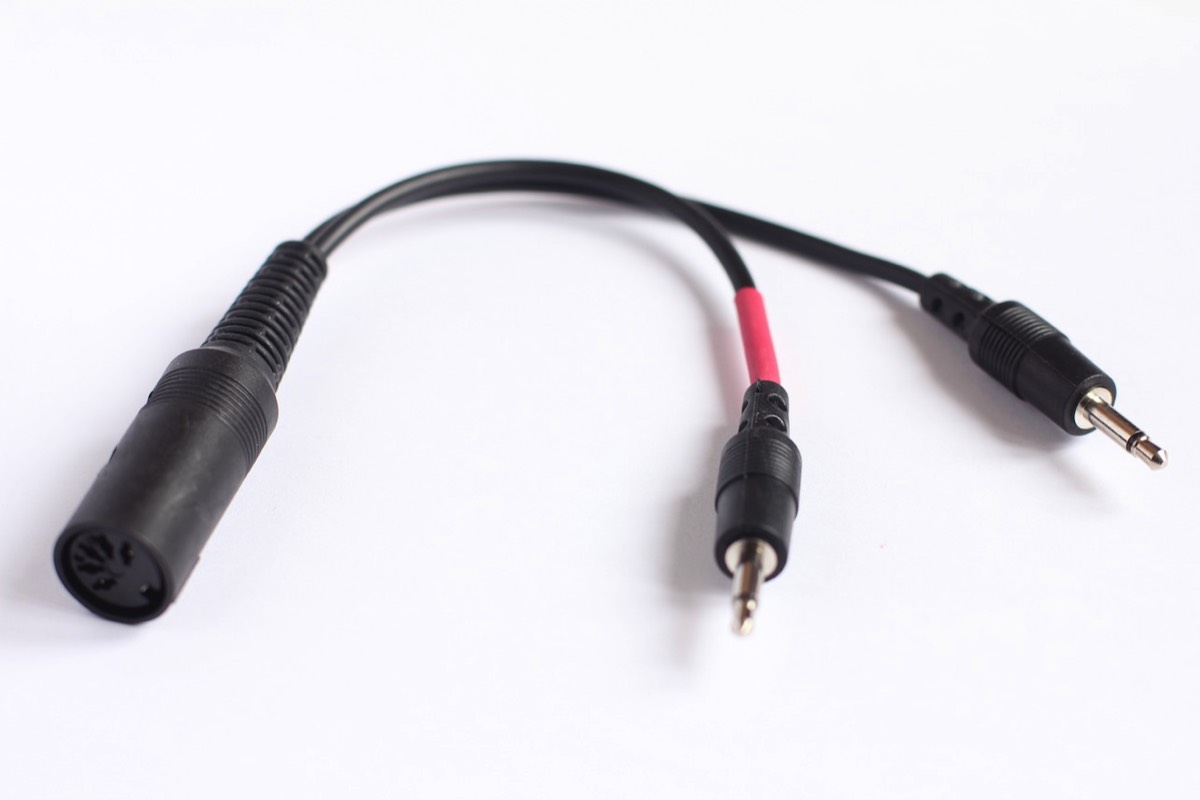
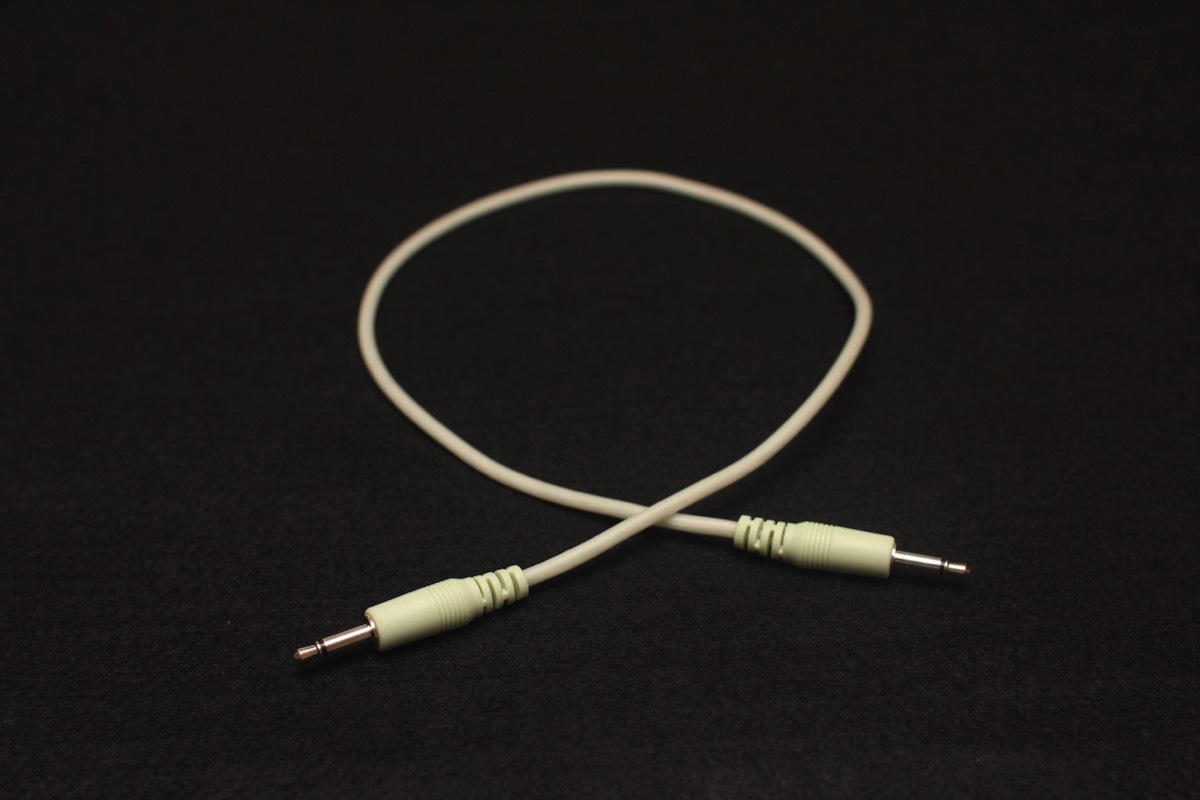
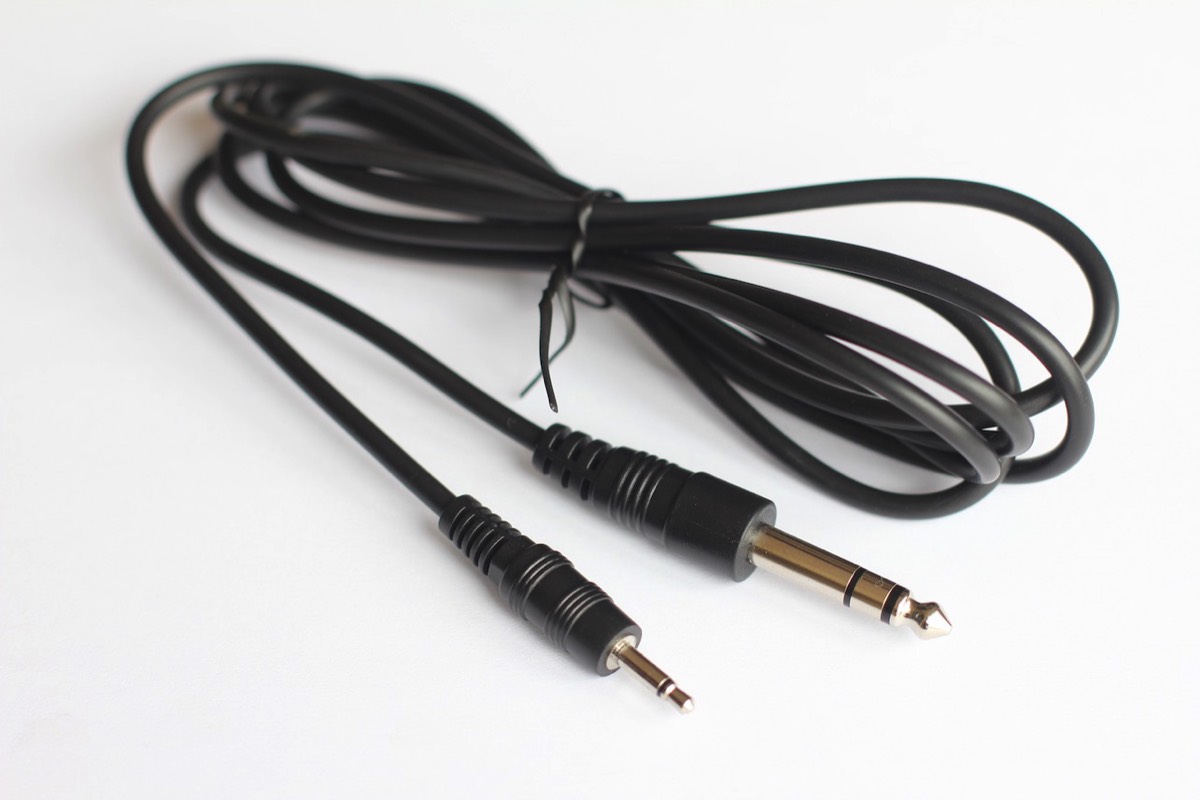
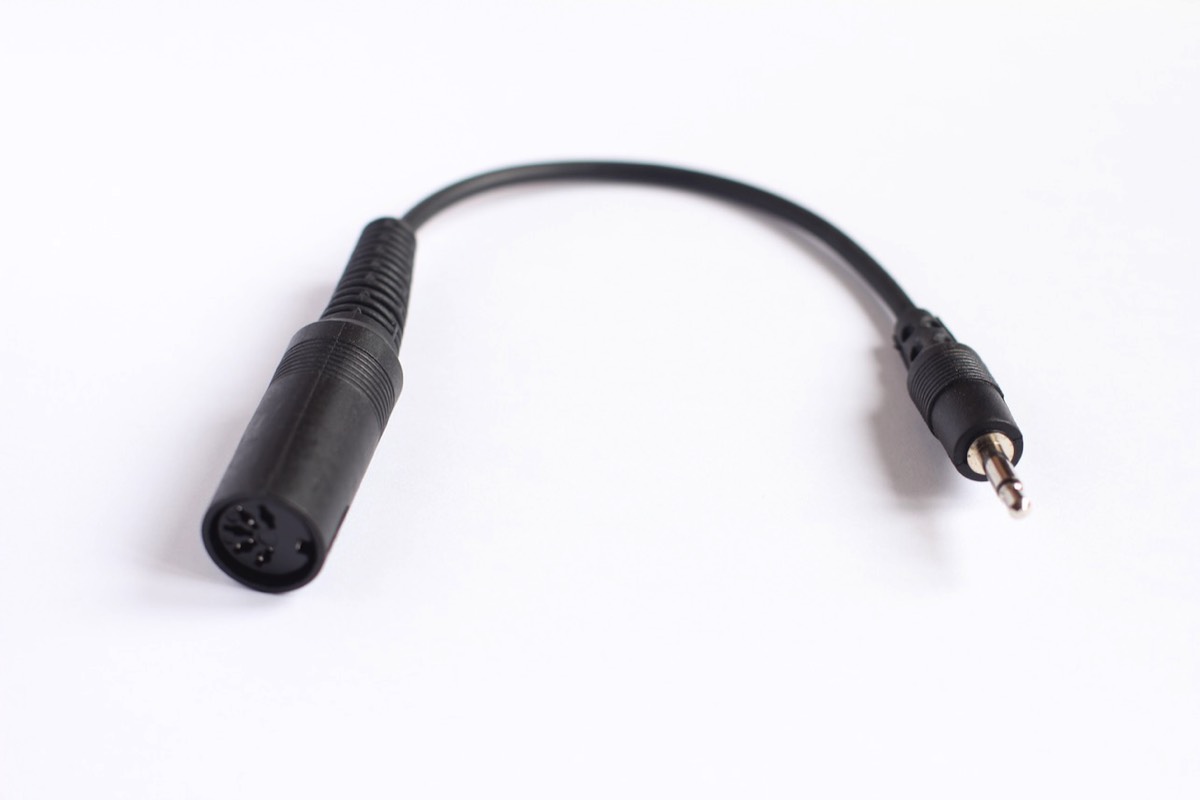
'Floating ring' cables now available
Buy direct here, or soon from your local reseller.